No line item annoys importers more than demurrage and detention — charges that buy nothing, produced entirely by time. They are also the most avoidable cost in the import chain. Understanding who charges what, and what actually consumes the free days, is how disciplined importers keep this line at zero.
Two different charges
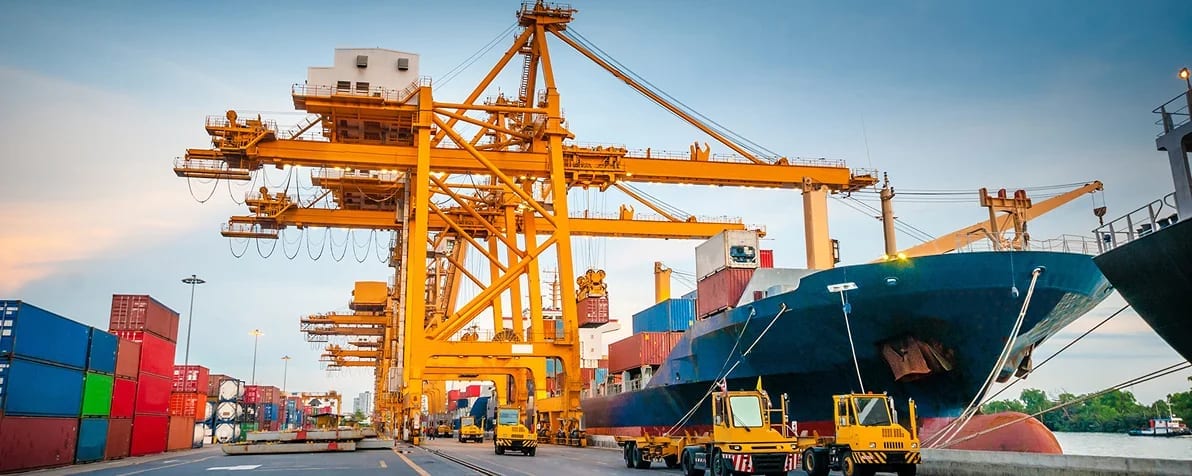
Demurrage is the terminal's charge for a container occupying port ground beyond the allowed free days. Detention is the shipping line's charge for keeping its container beyond the allowed usage period, even after it leaves the port. A slow clearance can trigger both at once — the container sits at the terminal accruing demurrage while the line's detention clock runs.
What actually burns free days
- Documents that arrive with the cargo instead of before it.
- Declarations filed after arrival rather than pre-arrival.
- Queries from mismatched paperwork — each round trip costs days.
- Regulatory approvals sought after landing instead of in advance.
- Transport arranged only once release is issued, adding a day or two at the end.
The habits that keep charges at zero
File before arrival. Verify documents before shipment. Secure regulatory approvals early for regulated cargo. Book inland transport against the expected release date, not after it. None of this is exotic — it is sequencing, and it is precisely what a proactive clearing agent manages as a matter of routine.
- demurrage
- detention
- port charges
- free days
- Karachi port