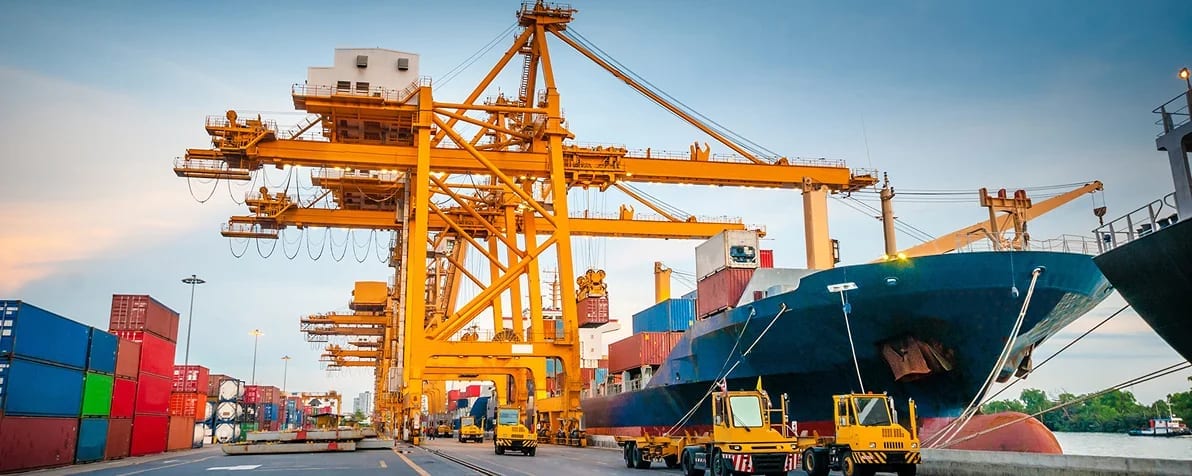
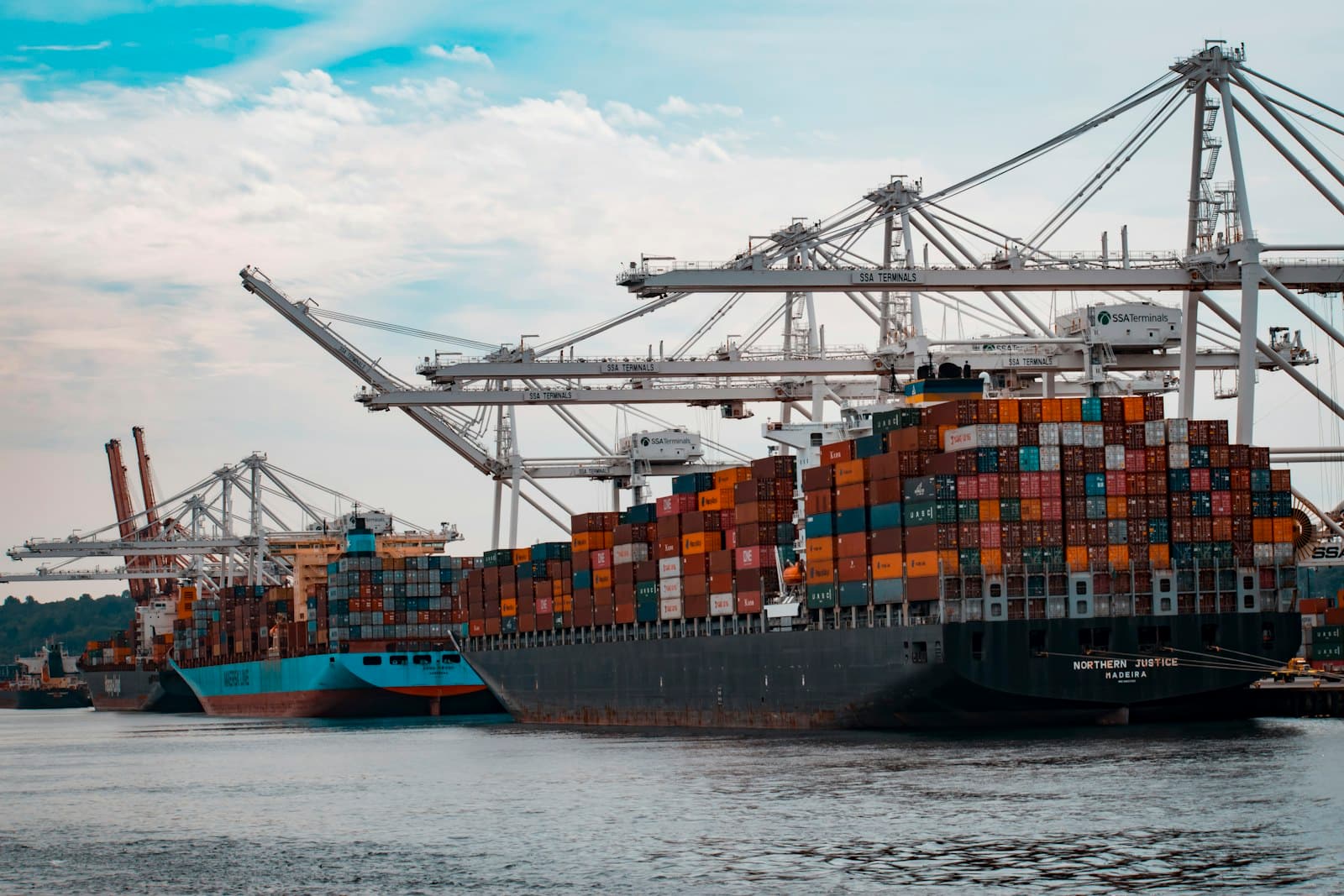
The price on your supplier's invoice is only the beginning of what an import actually costs. Between arrival and release, a Pakistani consignment attracts a stack of government levies assessed on its value and classification — and a set of commercial charges from ports and carriers. Understanding the structure is what makes landed cost predictable.
The government side
- Customs duty — assessed on the value of the goods at the rate set by the HS classification.
- Sales tax — applied on the duty-paid value of most commercial imports.
- Withholding (income) tax — collected at import against the importer's tax profile.
- Regulatory duty — an additional levy applied to certain products, adjusted through the Finance Act and statutory orders.
Rates change with budgets and statutory regulatory orders, which is why serious importers assess landed cost against the current tariff for their exact HS code rather than relying on last year's numbers or a general figure quoted for the product category.
The commercial side
Beyond government levies sit terminal handling, port storage after free days, shipping-line charges and inland transport. These are controllable: clear inside free days, plan delivery in advance, and the commercial side stays small. Let a container sit, and storage compounds daily.
Estimating before you commit
A reliable estimate needs three inputs: the correct HS classification, the assessable value, and the current rates for that code. With those, a clearing agent can produce a complete landed-cost picture — duty, taxes and expected charges — before you place the order. That estimate is the difference between pricing a product and guessing at it.
- customs duty
- import taxes
- landed cost
- regulatory duty