Export clearance is import clearance's quieter sibling — fewer duties, but its own documentation discipline, and real money attached to getting the paperwork right, because rebates, drawbacks and scheme benefits all flow from correctly filed exports.
The export document set
Alongside the commercial invoice and packing list, exports involve the export Goods Declaration filed through the digital systems, foreign-exchange documentation linking the shipment to its bank transaction, and destination-driven paperwork — certificates of origin where the buyer's market requires them, plus any product certificates the destination demands.
The process at the port
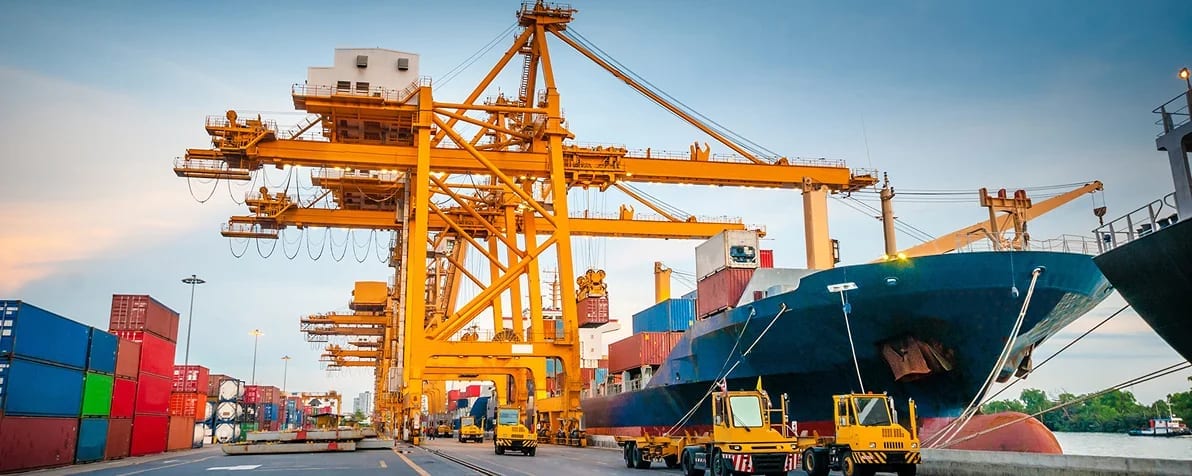
The export declaration is filed, the consignment gates into the terminal, customs processes the declaration through its risk channels — with examination where flagged — and the container ships. Timing matters against the vessel's cut-off: documentation that is not complete when the container needs to gate in means a rolled booking and a week lost.
Facilitation worth knowing
- Duty drawback — recovering duty paid on inputs used in exported goods.
- Export Facilitation Scheme — duty-and-tax-free acquisition of inputs for registered exporters, replacing several older regimes.
- Temporary export procedures for goods sent for exhibition or repair.
Each depends on precise filing and record-keeping — benefits exist on paper but are claimed through documentation. An experienced clearance partner treats scheme compliance as part of the export, not an afterthought.
- export clearance
- certificate of origin
- e-Form
- export facilitation