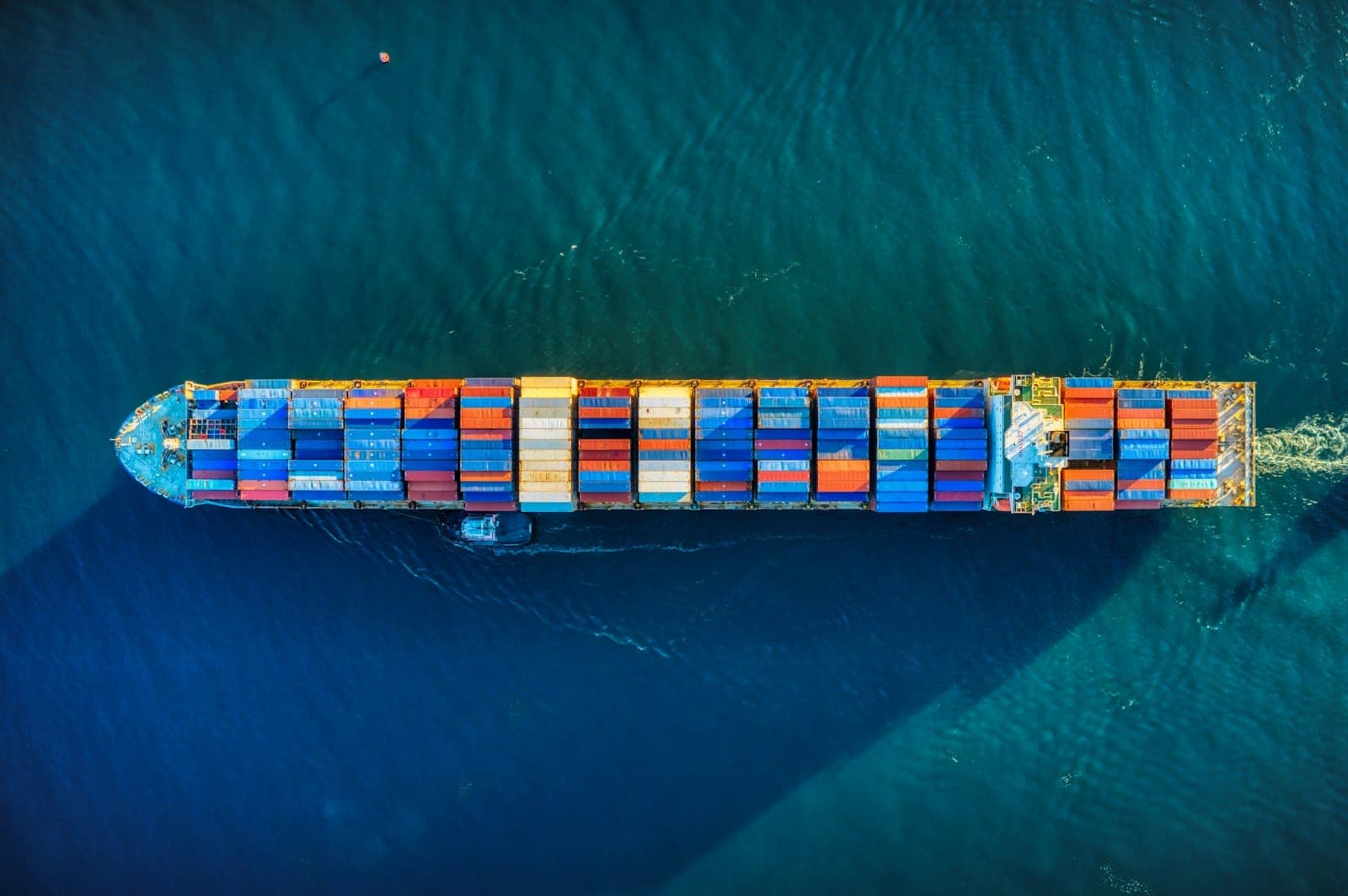
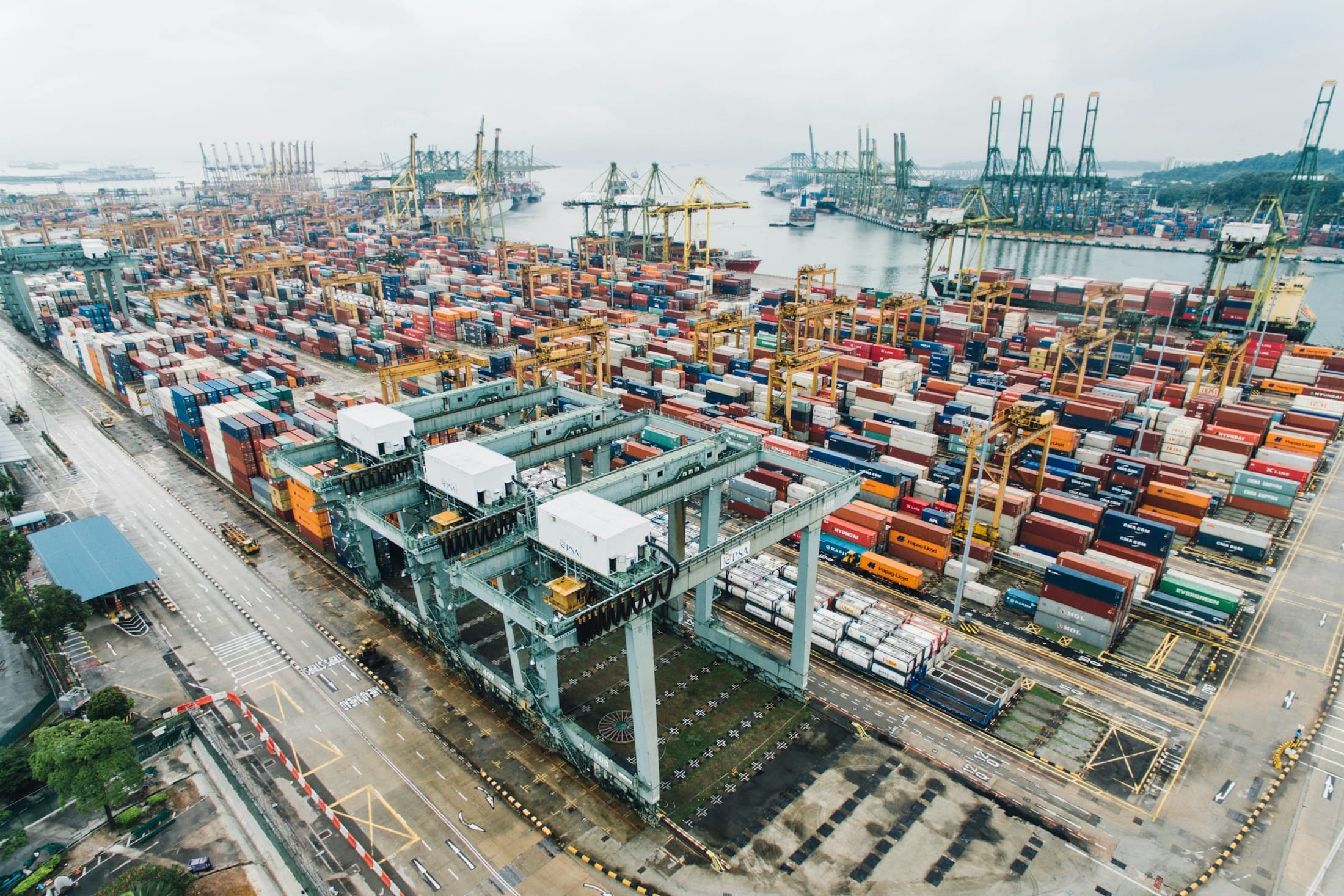
Nearly all of Pakistan's seaborne trade arrives through two gateways sitting a short distance apart: Karachi Port and Port Qasim. Importers rarely choose the port directly — the shipping line's service does — but knowing where your cargo will land, and how the two differ, helps you plan clearance and onward transport realistically.
Karachi Port
The historic city port hosts multiple container terminals — including KICT, PICT and SAPT alongside KPT facilities — close to the city's commercial core. Proximity to Karachi's transport and agent ecosystem is its practical advantage; city traffic around the port area is its recurring friction.
Port Qasim
Southeast of the city, Port Qasim serves container traffic through its terminals, including QICT, alongside bulk and industrial berths that feed the surrounding industrial zone. Many lines route significant container services here, and cargo for up-country destinations moves out along the highway network without crossing central Karachi.
What changes for clearance
The customs process is identical — the same declaration, the same digital systems, the same assessment logic. What differs is logistics: which terminal holds the container, gate procedures, and transport staging. A clearing team that works both ports daily treats the difference as routing detail, not complexity the importer needs to manage.
What importers should actually do
Check the Bill of Lading's discharge terminal early, share it with your agent and transporter, and let the clearance plan follow the cargo. The port is a fact of the booking; the cost and speed outcomes are made by preparation, exactly as at any gateway.
- Karachi Port
- Port Qasim
- terminals
- port clearance