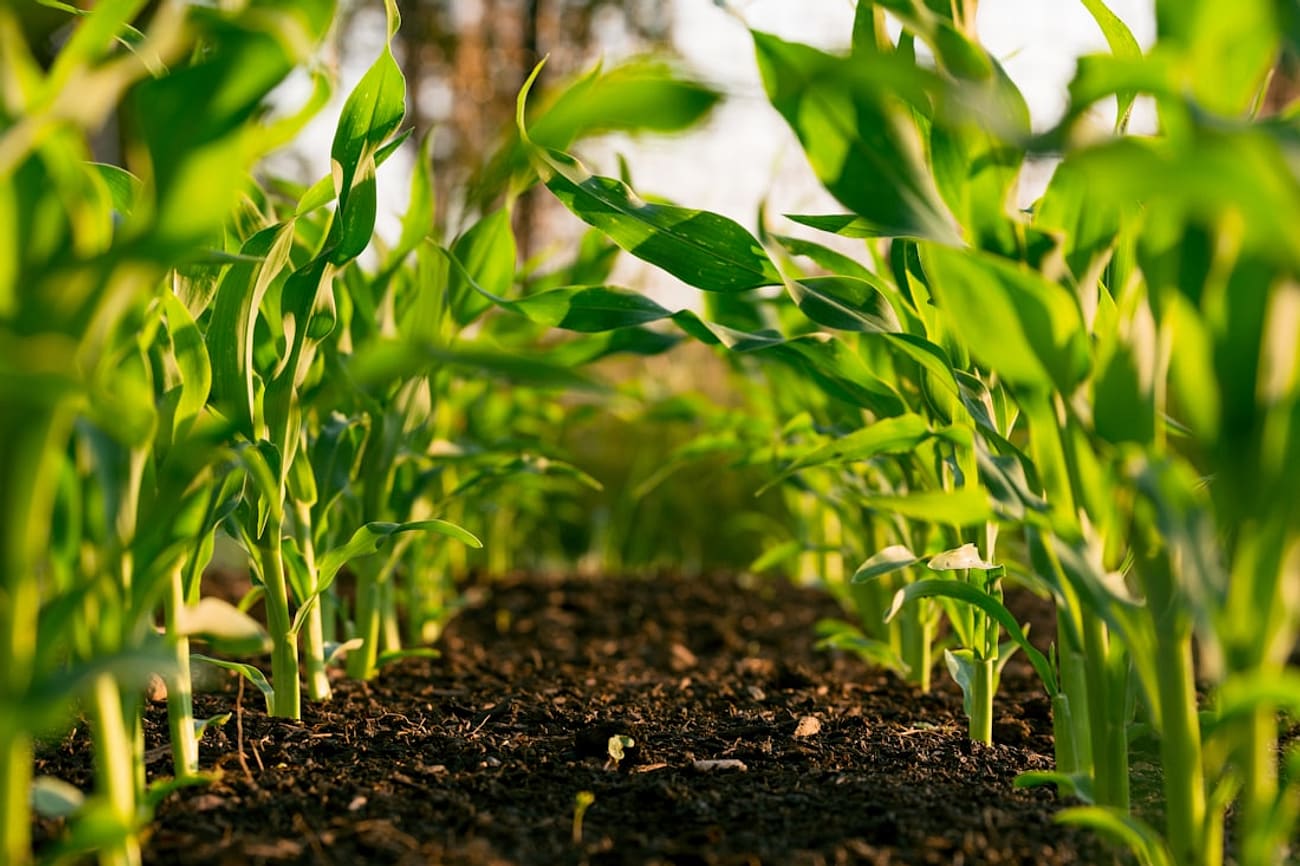
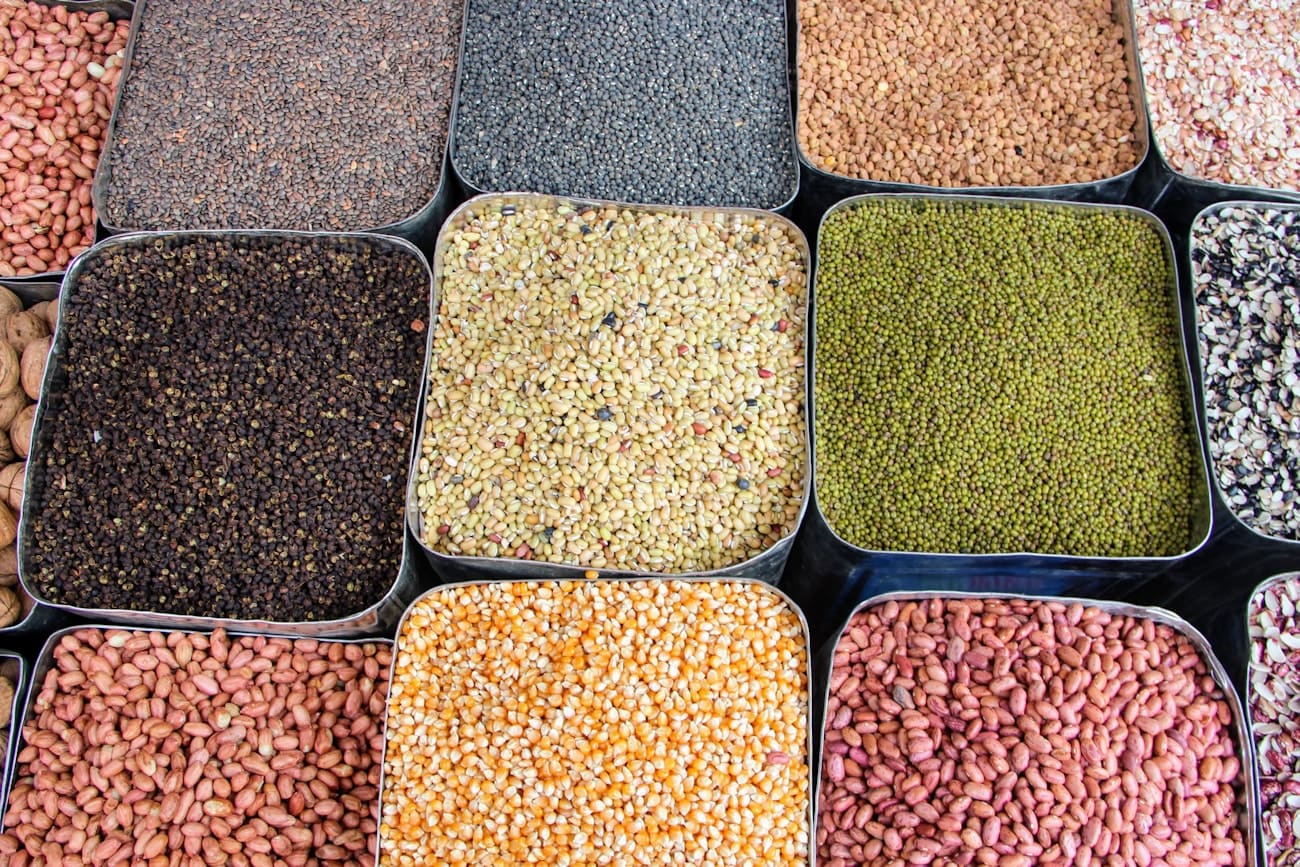
Seeds are living cargo, and Pakistan's rules treat them that way. Alongside the customs entry, seed and plant-material imports run through plant-quarantine requirements administered by the Department of Plant Protection (DPP) — a biosecurity gate designed to keep pests and diseases out of the country's agriculture.
The quarantine logic
Plant-quarantine control works on paired documentation: requirements set on the import side, and health certification from the origin confirming the consignment meets them. Inspection on arrival closes the loop. For the importer, this means the compliance work starts at the supplier — origin documentation must be arranged when the goods ship, not discovered as a gap at the port.
What seed importers should have in place
- Import documentation aligned with current plant-quarantine requirements for the specific seed type.
- Phytosanitary certification from the origin country accompanying the shipment.
- Commercial documents whose botanical descriptions match the regulatory paperwork.
- Time allowed for arrival inspection in the delivery plan.
Seasons make timing unforgiving
Agricultural imports answer to sowing calendars. A consignment that clears two weeks late can miss its season entirely, which converts clearance planning from an administrative task into a commercial one. Pre-arrival coordination — permits confirmed, documents verified, inspection anticipated — is how seed importers protect the season.
- seed imports
- plant quarantine
- DPP
- agriculture
- import permits