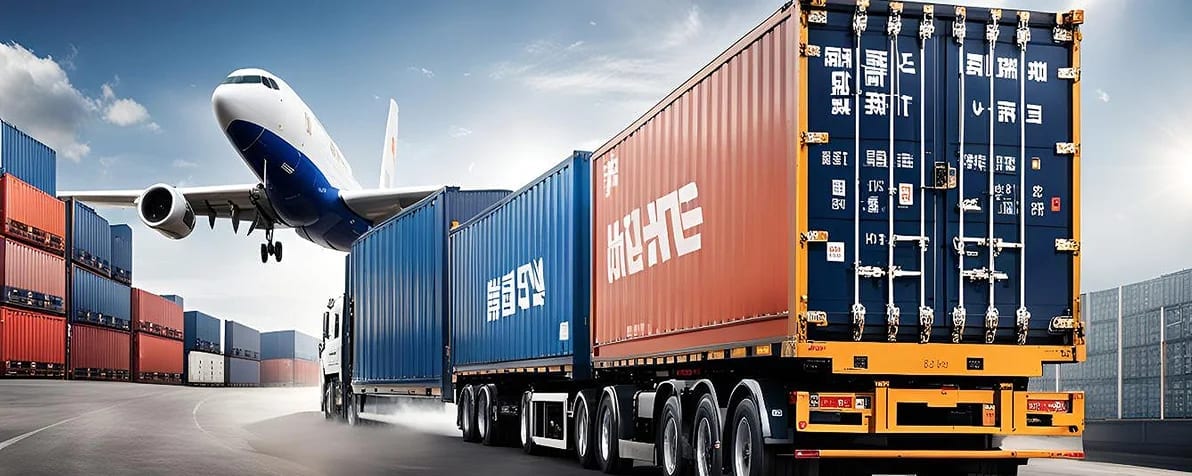
The air-versus-sea question is really a question about the cost of time. Sea freight wins on price per kilo by a wide margin; air wins on days by an equally wide one. The decision framework is not "which is better" but "what does waiting cost this particular shipment."
Where sea is the obvious answer
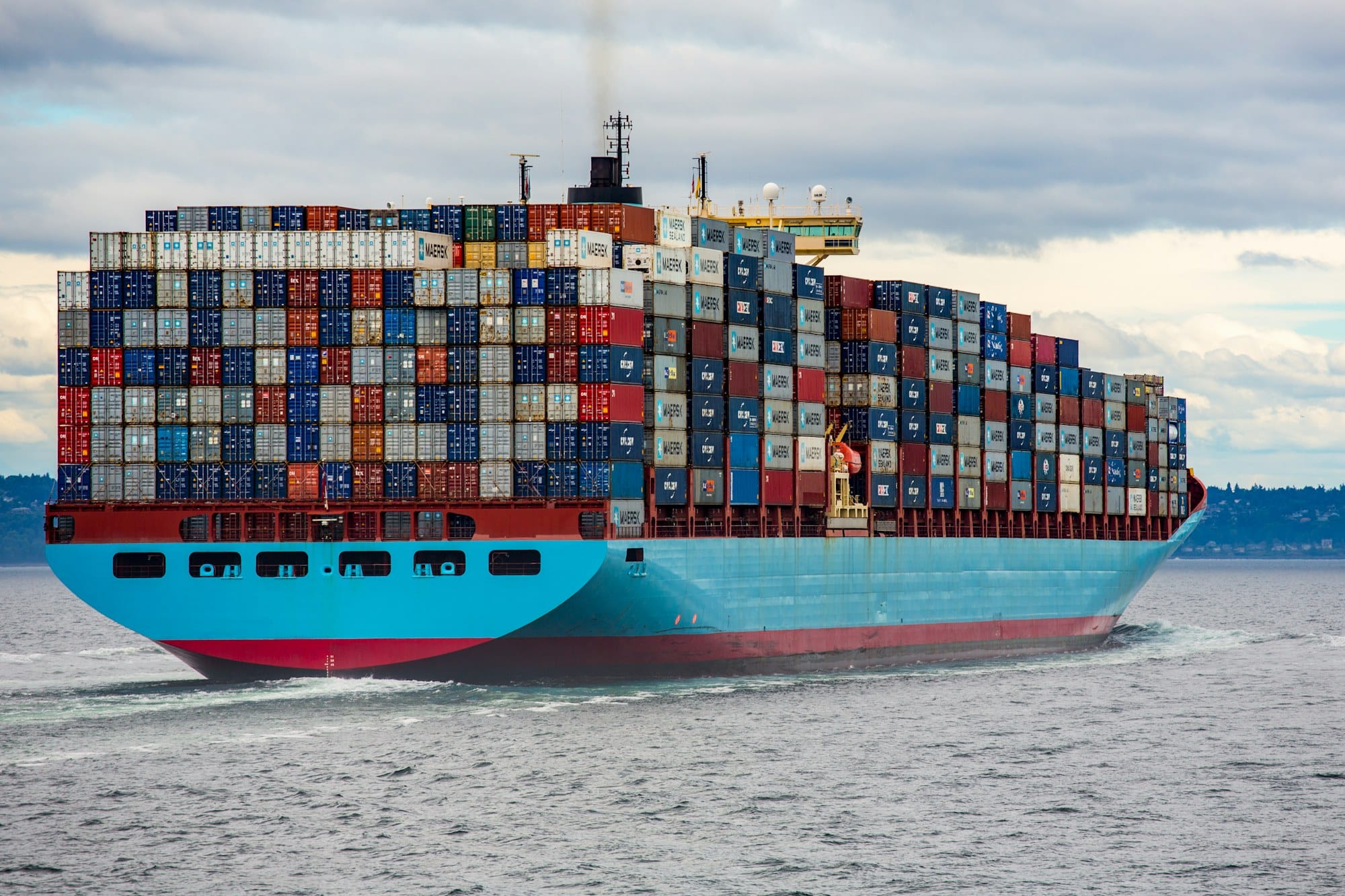
Planned stock, heavy or bulky goods, machinery, raw materials — anything whose arrival date is known weeks ahead belongs on the water. The freight saving funds a lot of planning discipline, and containerised transit to Karachi is a mature, predictable service.
Where air earns its price
- Production stoppages — when a line is down, freight cost is a rounding error.
- Short-shelf-life and temperature-sensitive product, including pharma cold chain.
- Launches and seasonal windows where lateness forfeits the market moment.
- High value in small volume, where inventory carrying cost rivals the freight difference.
The hybrid pattern mature importers use
Base stock by sea, urgencies by air — deliberately, not as a panic response. Some businesses split single orders: an air tranche to cover the immediate weeks, the balance following by sea. The point is that mode choice becomes a standing policy tied to inventory planning, not a shipment-by-shipment scramble.
Ask the honest question
A good forwarder will tell you when air is unnecessary — and when a sea delay makes it unavoidable. If every recommendation you receive is the expensive one, that is information about the advisor, not the cargo.
- air freight
- sea freight
- mode choice
- supply chain