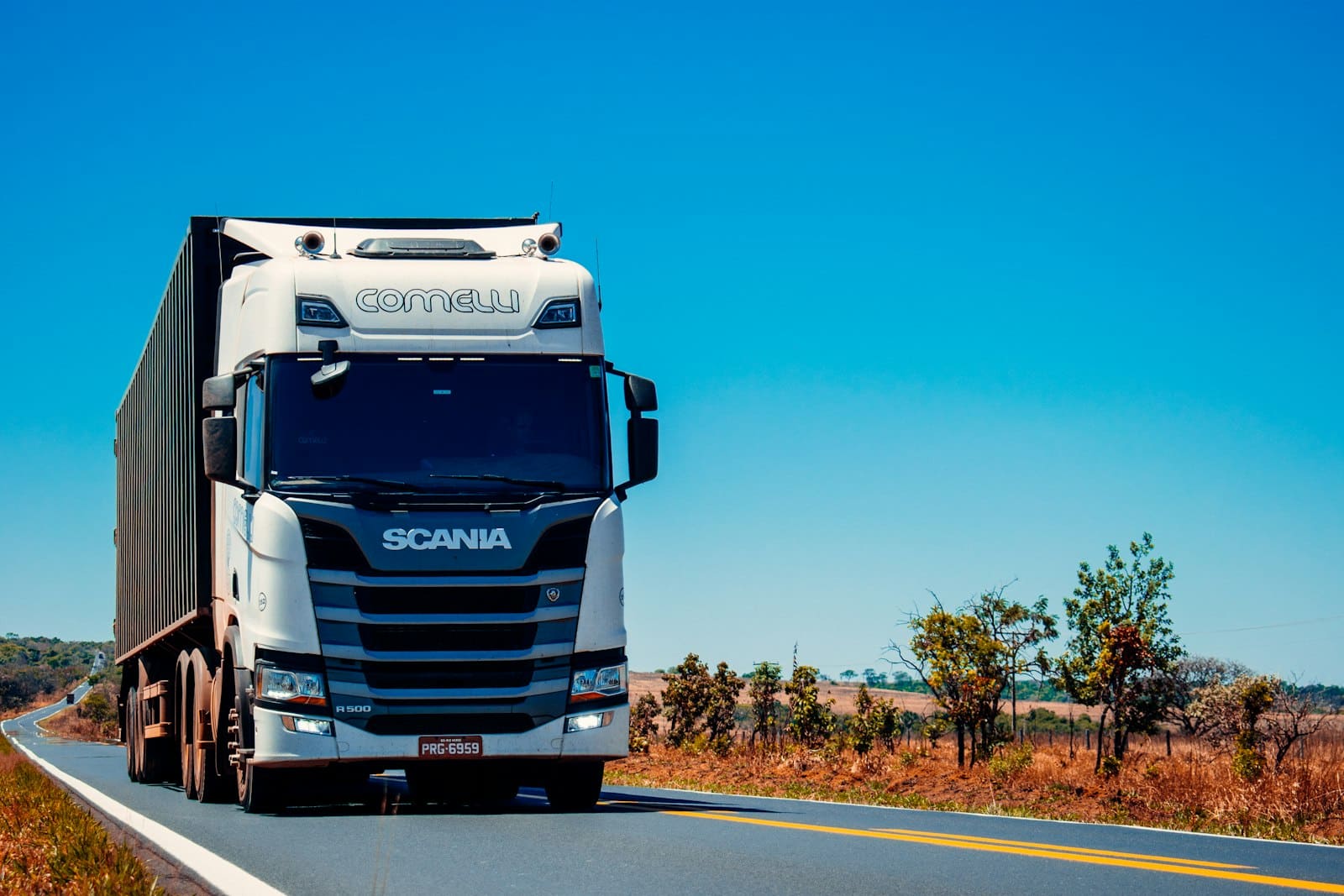
Clearance gets the headlines, but the road leg delivers the cargo. Between a Karachi terminal and a factory in Lahore, Faisalabad or Sialkot sit a thousand kilometres of scheduling, vehicle choice and coordination — and the difference between managed road freight and a dispatcher's phone number shows up in every arrival time.
Timing the lift against release
The efficient pattern books transport against the expected release date, not after release happens. Cleared containers lifted the same day burn no free days and hit delivery slots as planned; containers waiting for a truck accrue charges for nothing. This is coordination work between the clearance desk and the transport desk — easiest when they are the same company.
The right vehicle for the load
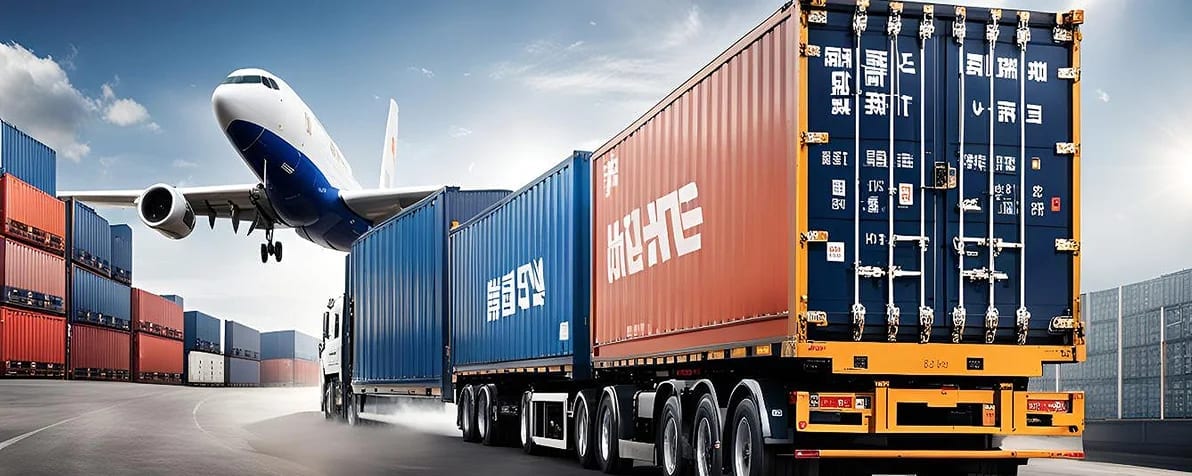
- Container movement on trailers for FCL cargo, straight from the terminal.
- Vans through to full trucks for loose and LCL freight.
- Reefer equipment for pharmaceutical and perishable loads that must hold temperature inland.
- Specialised trailers for heavy or oversized project pieces.
Visibility on the road
GPS tracking and round-the-clock trace support turn the inland leg from a silence between two phone calls into a monitored movement. For scheduled operations — production lines, distribution windows — that visibility is what lets receiving teams plan instead of wait.
Groupage and managed programmes
Regular shippers consolidate: collections across cities combined onto trailers per destination, timed to production and distribution schedules. It is the road-freight version of consolidation at sea — lower cost through shared capacity, without surrendering the schedule.
- road freight
- trucking
- port to door
- inland transport