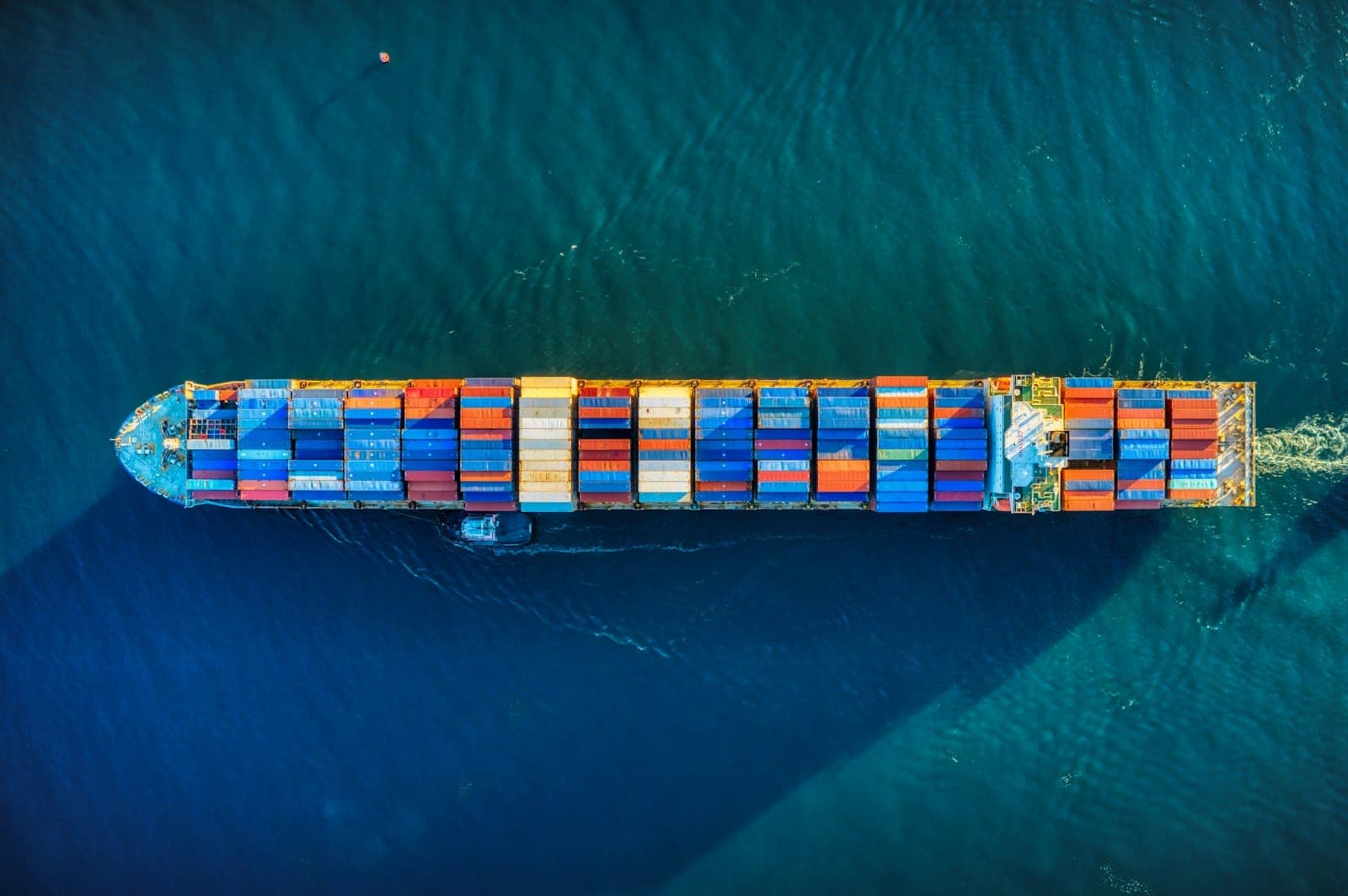

Machinery is high-value, classification-sensitive cargo where the tariff work happens before the ship sails. A production line, a generator set or a packaging machine can land with very different cost outcomes depending on how it is classified and which concessionary provisions genuinely apply — and the physical handling of heavy pieces adds its own planning layer.
Classification: machine, parts, or plant?
The machinery chapters distinguish complete machines, parts and accessories, and functional units — and the same steel can fall differently depending on how it ships and how it is described. Complete plants shipped in multiple consignments raise their own classification questions. Getting this right up front is the core of machinery clearance.
Concessions are real but conditional
Pakistan's tariff has historically provided concessional treatment for various categories of industrial equipment, tied to conditions — the nature of the machinery, its use, sometimes the importer's profile. The discipline is to review current provisions against your exact goods rather than assume a concession heard about second-hand still applies as remembered.
The physical side: heavy and oversized pieces
- Break-bulk and out-of-gauge pieces need handling planned with the terminal in advance.
- Inland movement of heavy cargo requires the right trailers and route planning.
- Project schedules should sequence arrivals so site installation is never waiting on a stuck consignment.
One team, both halves
The importers who do machinery well pair the tariff work with the logistics work — classification and concession review before shipment, and handling, clearance and delivery run as one coordinated plan on arrival. That is what turns a plant import from a risk into a schedule.
- industrial machinery
- project cargo
- classification
- concessions