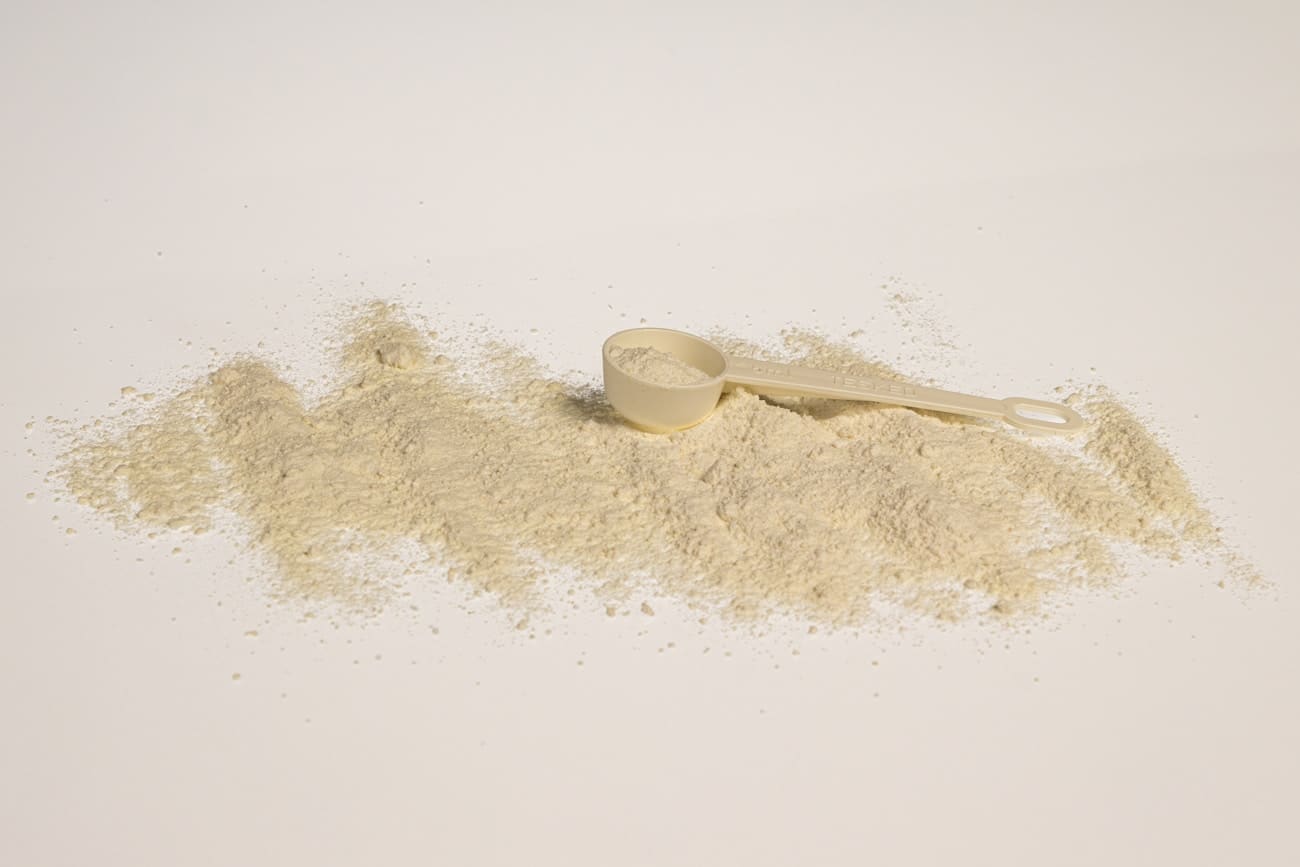
Food cargo carries two obligations at once: prove it is safe and compliant, and absorb a duty structure designed with local industry in mind. Milk powder is the emblematic case — a staple industrial ingredient whose imports run through food-standard requirements and a levy stack that importers must price accurately.
The standards side
Food consignments answer to standards and quality requirements, with documentation and, where applicable, testing to demonstrate compliance. Labelling matters too — markings, dates and composition information are expected to meet the applicable rules. Infant and specialised nutrition products carry additional regulatory oversight of their own.
The duty side
Milk powder has historically attracted regulatory duty on top of customs duty and sales tax — protection for local dairy that materially changes landed cost, with rates that move through Finance Acts and statutory orders. Assess the full stack for your exact HS code against current rates before committing to an order; an outdated assumption here rewrites the entire costing.
Shelf life is the hidden clock
- Every port day consumes saleable shelf life — clearance speed is commercial value for food.
- Storage conditions between release and delivery must respect the product.
- Documentation should be complete before arrival so the consignment never waits on paperwork.
Running food cargo well
The pattern is familiar by now: verify requirements before shipment, file before arrival, coordinate standards compliance alongside the customs entry, and have delivery planned against release. Food rewards that discipline more than most cargo, because time is literally part of the product.
- milk powder
- food imports
- standards
- regulatory duty