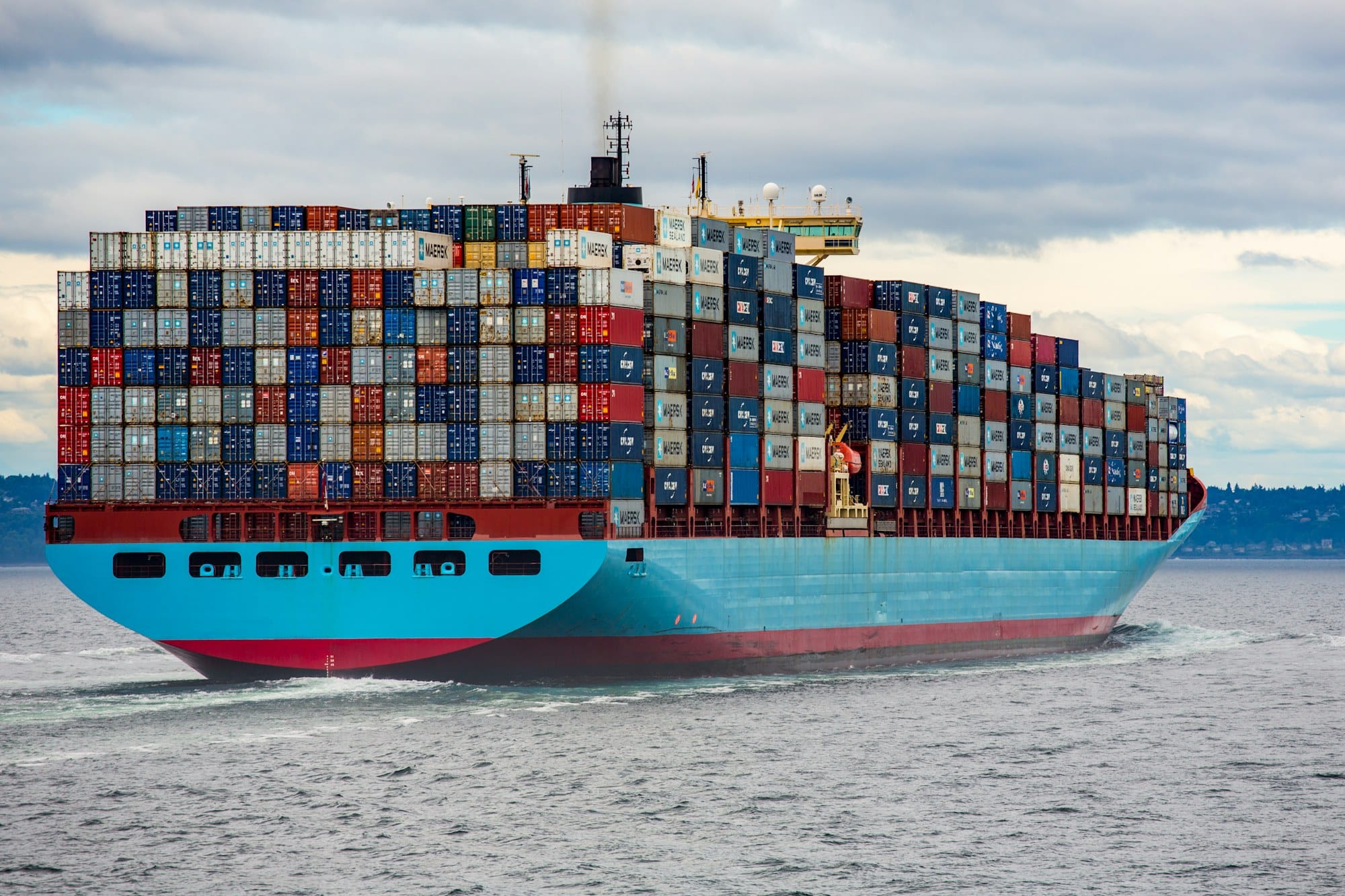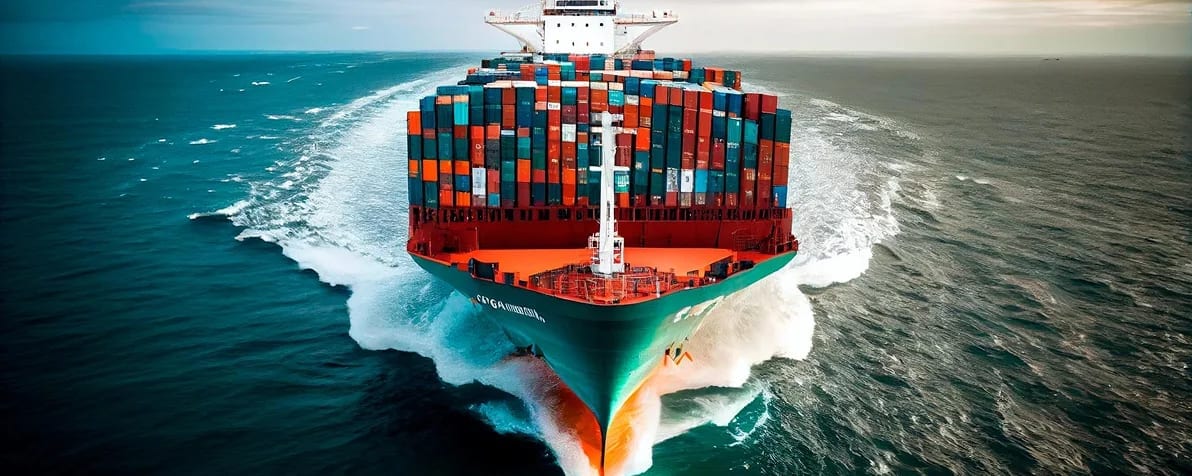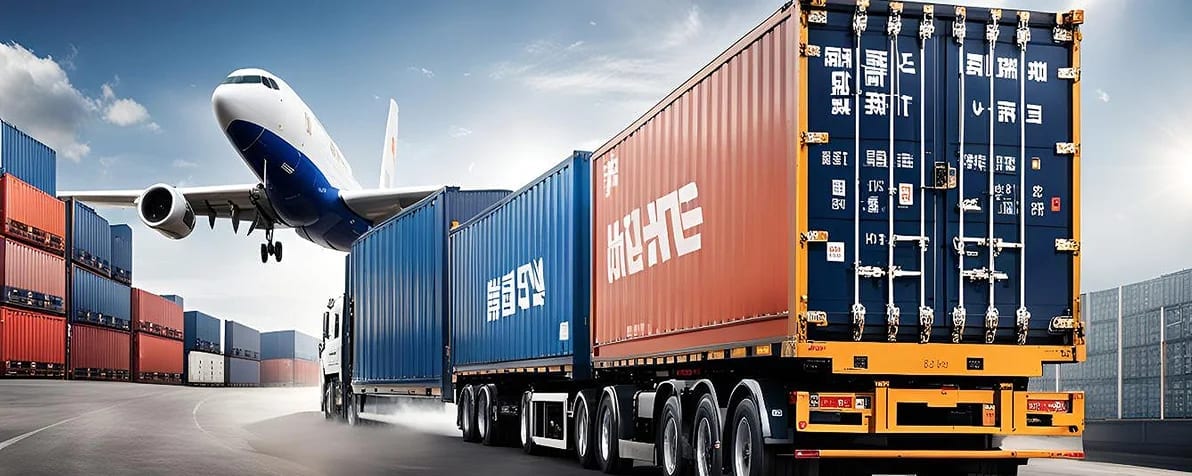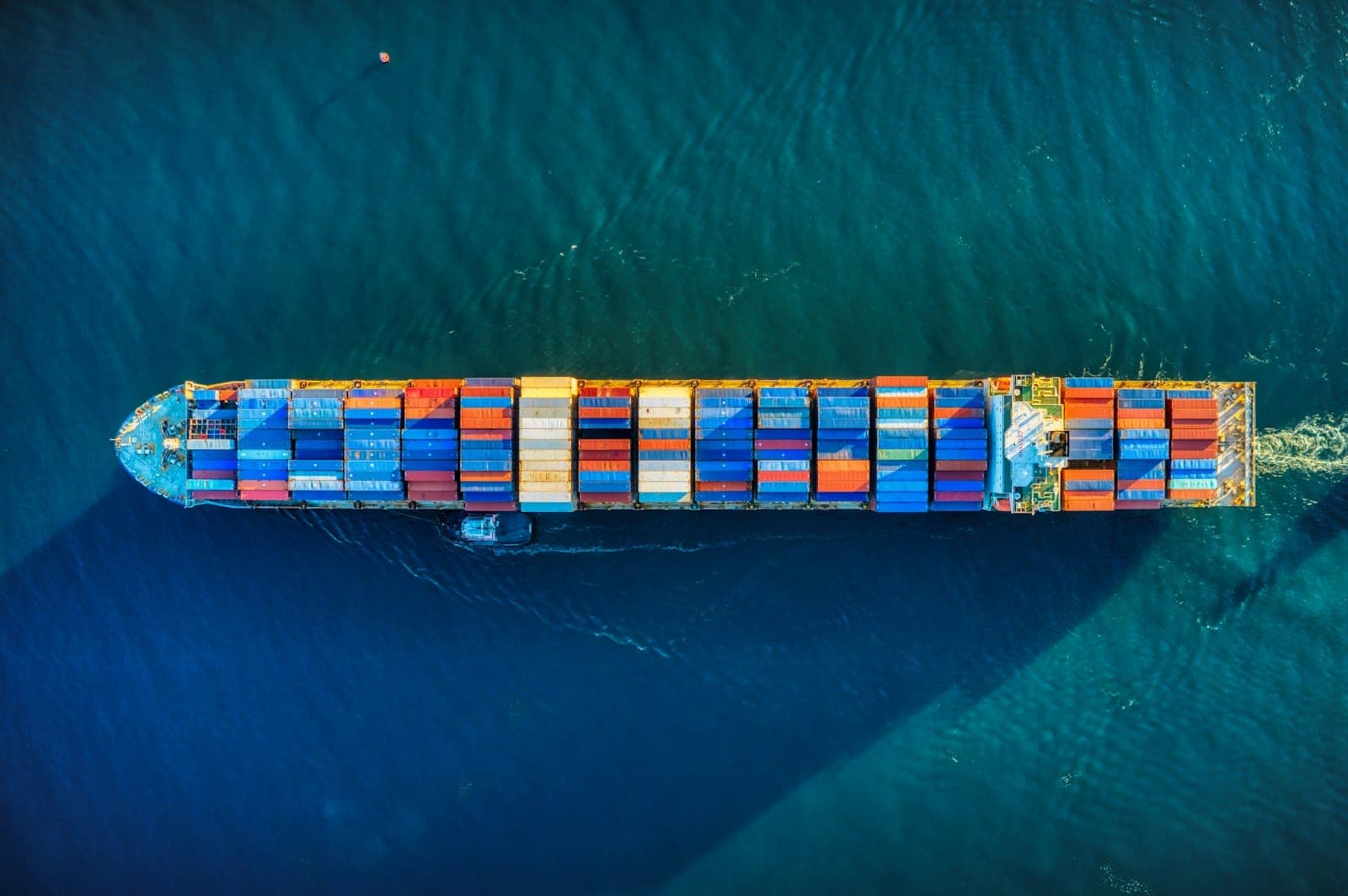
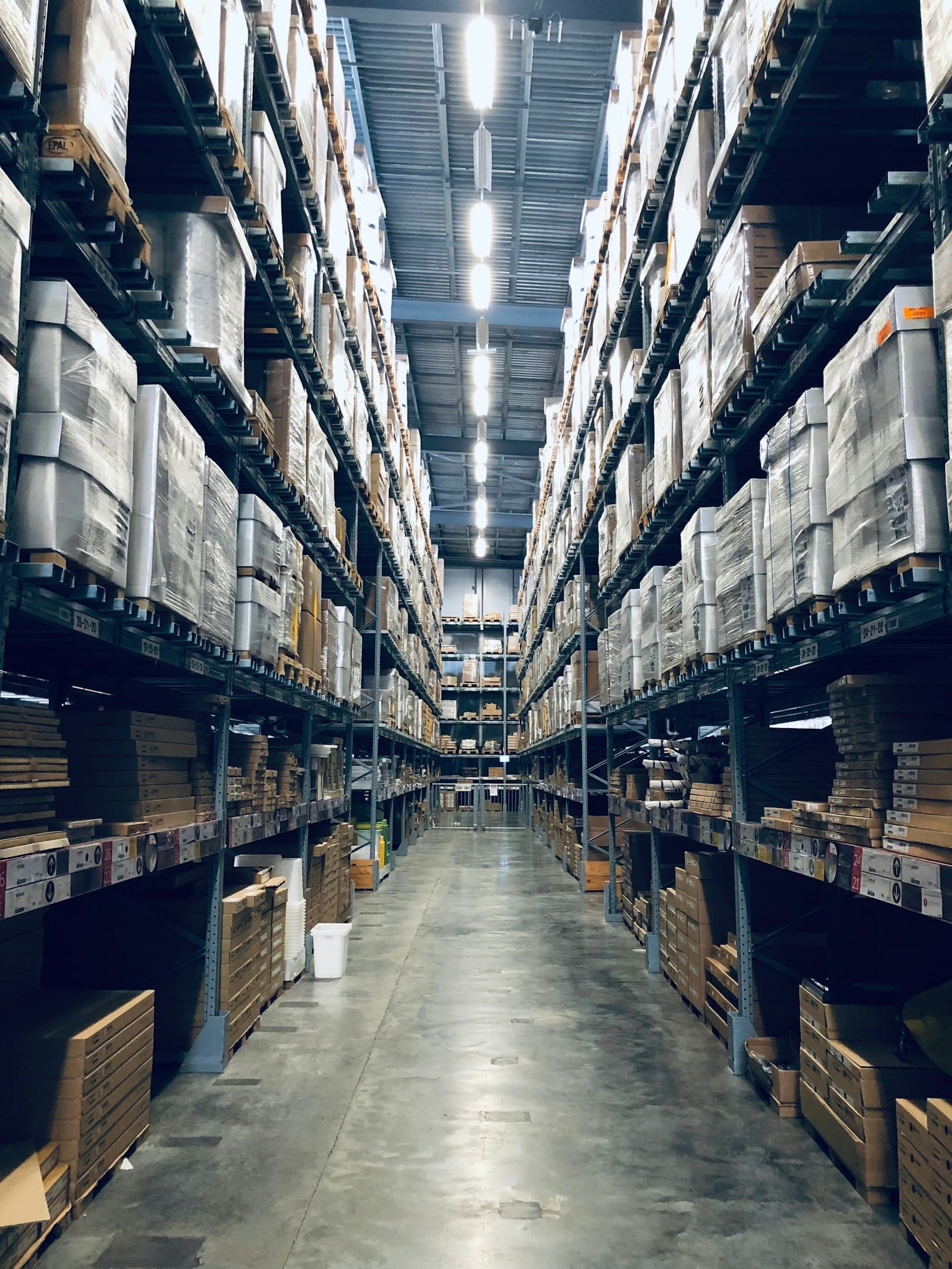
Imports arrive in container-sized lumps; businesses consume in order-sized sips. Warehousing is the buffer that reconciles the two — and when it is connected properly to clearance and transport, it stops being a cost centre and becomes the mechanism that makes the rest of the chain schedulable.
What connected warehousing changes
Cargo cleared at the port moves straight into storage without a third-party handover — one chain of custody from vessel to rack. Inbound timing is known because the same team ran the clearance; outbound is planned against your dispatch commitments rather than improvised when stock arrives.
Distribution is the point
- Dispatch planning tied to inventory and delivery schedules, not ad-hoc releases.
- Consolidated deliveries per destination instead of piecemeal despatches.
- Staged deliveries for projects, sequenced to site readiness.
- Records that reconcile — what arrived, what is held, what shipped and to whom.
Who gains the most
Importers with lumpy arrival patterns and steady demand — distributors, retailers, project contractors and manufacturers guarding production continuity. For each, the warehouse converts import volatility into distribution reliability, which is precisely what their customers actually experience.
Buying it as one service
Storage bought separately from clearance and transport recreates the handover problem warehousing should solve. Bought as one integrated service, each stage hands to the next inside a single accountable operation — which is the quiet reason integrated providers keep whole supply chains on schedule.
- warehousing
- distribution
- inventory
- logistics